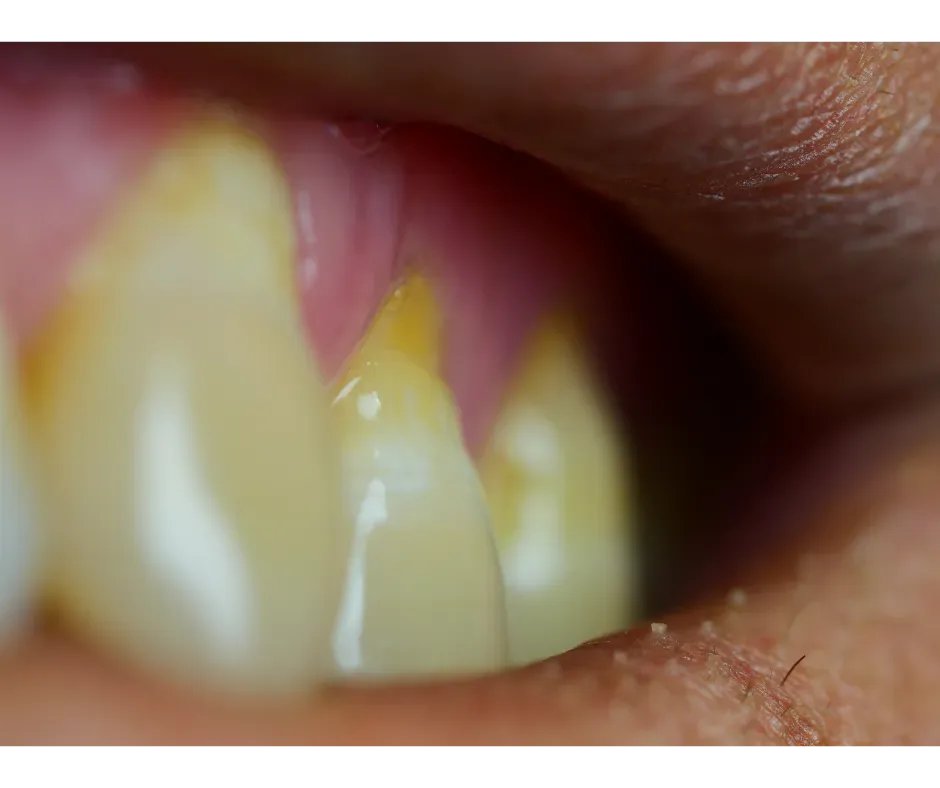
Gum Disease Treatment
Stop gum disease progression and restore your oral health
Fighting Gum Disease at Every Stage
Gum disease is one of the most common dental conditions affecting millions of Americans, yet many people don't realize they have it until it becomes advanced. The good news is that gum disease can be prevented and effectively treated when caught early. At Lincoln Smiles Dental, Dr. Sepideh Rahmani and our experienced team specialize in diagnosing and treating gum disease at all stages. Whether you have early warning signs or established periodontal disease, we provide the specialized care you need to restore your oral health and prevent serious complications.
Understanding Gingivitis and Periodontitis
Gum disease develops in stages, and understanding the difference between them is important. Gingivitis is the earliest stage of gum disease, characterized by inflammation and bleeding gums. At this stage, the disease only affects the gums and has not damaged the bone supporting your teeth. Gingivitis is reversible with proper treatment and improved home care. Many people have gingivitis but don't realize it because the signs are subtle and don't cause pain.
If gingivitis is not treated, it can progress to periodontitis (also called pyorrhea). In periodontitis, the infection extends below the gum line and damages the bone and ligaments supporting your teeth. This stage is not reversible but can be managed with professional treatment and careful home care. Without treatment, periodontitis leads to tooth mobility, teeth shifting, and eventually tooth loss. The damage to bone is permanent, though we can stop the disease from progressing further.
Recognizing the Signs and Symptoms
Many people with gum disease don't notice symptoms until the disease is advanced, which is why regular dental checkups are so important. Early warning signs of gingivitis include red, swollen gums that bleed when you brush or floss. Your gums may feel tender or sensitive. You might notice a change in your bite or that your teeth feel slightly loose. Bad breath or a persistent bad taste in your mouth can also indicate gum disease.
As gum disease progresses to periodontitis, symptoms become more noticeable. Your gums may recede, making your teeth appear longer. You might develop deep pockets between your teeth and gums where food and bacteria become trapped. Your teeth may become loose or shift position, changing your bite. Abscesses may form, appearing as painful swellings on your gums. Some people experience pus discharge from the gums.
The important thing to know is that you should not wait for symptoms to develop. Regular dental exams allow Dr. Rahmani to detect gum disease in its earliest stages when it's easiest to treat. If you notice any of these signs, schedule an appointment immediately. Early detection and treatment can prevent progression and save your teeth.
Professional Gum Disease Treatment
Treatment depends on the stage of your gum disease and the severity of the condition. For gingivitis, the first step is usually a professional cleaning combined with improved home care and increased cleaning frequency. Our hygienists will thoroughly clean your teeth above and below the gum line, removing plaque and tartar buildup that's contributing to inflammation. We'll also provide detailed instruction on proper brushing and flossing techniques and discuss lifestyle factors that may be affecting your gum health.
For more advanced gum disease, we perform a procedure called scaling and root planing, also known as a deep cleaning. This two-part procedure addresses both the crown and the root of the tooth. Scaling involves removing tartar and plaque from the surface of the tooth and from below the gum line. Root planing smooths the root surface and removes cementum and calculus that contain endotoxins and bacteria. By removing these irritants, we allow the gums to reattach to the tooth and reduce the depth of periodontal pockets.
Scaling and root planing may require multiple appointments and is often done in quadrants, allowing one area to heal before we treat the next. We may apply local anesthesia to ensure your comfort. Many patients see significant improvement in their gum health after scaling and root planing, though some cases require additional or more advanced treatment.
Ongoing Periodontal Maintenance
Once your gum disease has been treated, ongoing periodontal maintenance is essential to prevent recurrence. People with a history of gum disease are more susceptible to it returning, which is why they require more frequent professional cleanings than people without gum disease. We typically recommend three or four periodontal maintenance appointments per year for people with a history of periodontitis.
During these maintenance visits, we perform a deep cleaning similar to scaling and root planing but less extensive since the goal is prevention rather than active treatment. We carefully measure your periodontal pockets to monitor the health of your gums and ensure the disease is not recurring. We'll also provide reinforcement on home care techniques and discuss any factors that may be putting your gums at risk.
Prevention: Your Most Important Tool
While professional treatment is important, your daily home care is equally critical to managing gum disease. Brush your teeth at least twice daily with a soft-bristled toothbrush, using gentle, circular motions. Avoid aggressive scrubbing, which can damage gums and cause recession. Floss at least once daily, working the floss gently between teeth and below the gum line. If traditional floss is difficult to use, water flossers or interdental picks can be effective alternatives.
Your diet significantly impacts your gum health. Limit sugary and sticky foods that feed harmful bacteria. Eat plenty of vitamin C-rich foods, which support gum health and immune function. Stay hydrated, as saliva helps protect against gum disease. Avoid smoking and tobacco products, which impair your immune system and make gum disease worse. If you drink alcohol, do so in moderation.
Stress management is also important, as stress compromises your immune system and makes you more vulnerable to gum disease. Regular exercise, adequate sleep, and stress reduction techniques all contribute to better oral health. Finally, keep your regular dental appointments. These visits allow us to catch problems early and provide professional care that you can't achieve at home.
The Connection Between Gum Disease and Overall Health
The link between gum disease and overall health is well-established by medical research. Gum disease is a chronic bacterial infection that triggers inflammation throughout your body. Bacteria and their toxins can enter the bloodstream through inflamed or bleeding gums, potentially affecting your heart, lungs, and other organs. People with gum disease have significantly higher rates of heart disease and stroke compared to people with healthy gums.
Gum disease worsens diabetes and makes blood sugar more difficult to control. Conversely, people with diabetes have higher rates of gum disease because the disease impairs immune function. Gum disease has also been linked to respiratory infections, kidney disease, and complications in pregnancy. During pregnancy, gum disease increases the risk of premature birth and low birth weight.
This research underscores an important truth: your oral health is inseparable from your overall health. Treating gum disease is not just about saving your teeth; it's about protecting your whole body. By working with us to maintain healthy gums, you're taking an important step toward better overall health and wellness.
Why Choose Lincoln Smiles Dental for Your Gum Health
Dr. Sepideh Rahmani and our dental hygienists bring specialized training and experience to gum disease treatment. We use advanced diagnostic tools including digital X-rays and detailed periodontal charting to precisely assess your gum health. We employ the latest treatment techniques and maintain cutting-edge equipment. Most importantly, we approach gum disease treatment with a long-term perspective, focusing not just on treating the current infection but on helping you achieve lasting gum health.
We understand that gum disease can feel overwhelming, and we're here to support you every step of the way. We'll explain your condition in understandable terms, discuss your treatment options, and provide the guidance and support you need to make informed decisions. We're committed to helping you achieve and maintain the healthy gums that are the foundation of a strong, healthy smile.
Concerned About Your Gum Health?
Don't let gum disease progress silently. Schedule an appointment with Dr. Rahmani to have your gums evaluated and learn about your treatment options.