Dental Implants
Permanent tooth replacement that looks, feels, and functions like natural teeth
Restore Your Smile with Permanent Tooth Replacement
Missing teeth can significantly impact your quality of life. They affect your ability to eat and speak, impact your appearance and confidence, and can lead to serious long-term health consequences including bone loss and shifting of remaining teeth. Dental implants offer a permanent solution to tooth loss that restores full function, natural appearance, and oral health. At Lincoln Smiles Dental, we specialize in comprehensive implant treatment using the latest technology and techniques to deliver outstanding results that transform lives.
What Are Dental Implants?
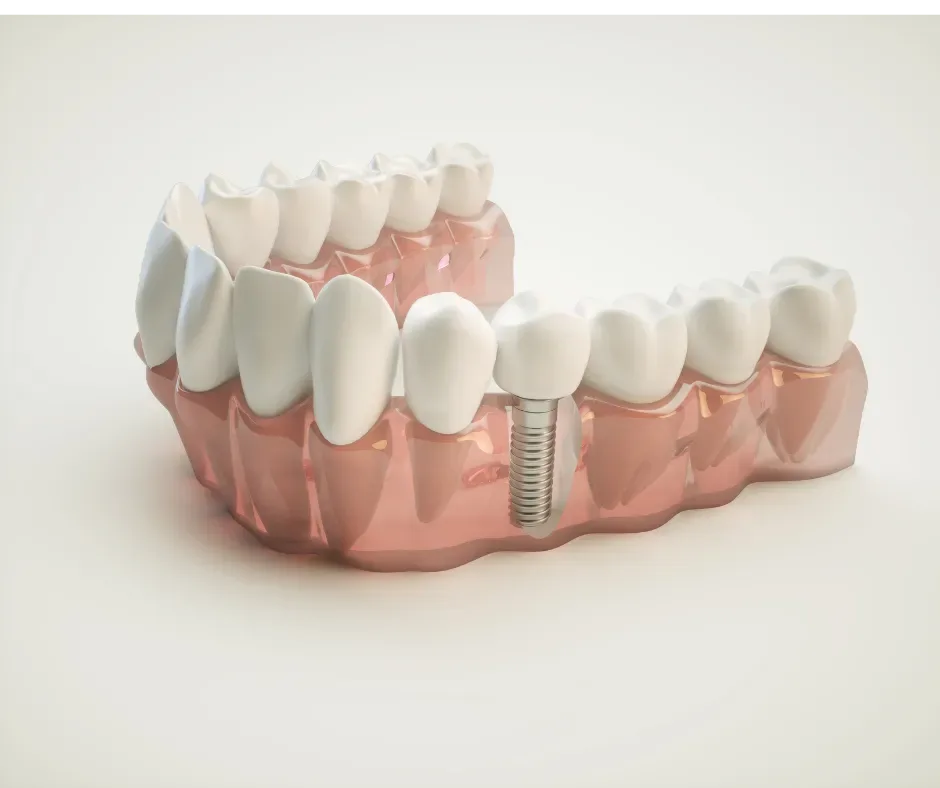
Dental implants are an advanced tooth replacement technology that has revolutionized restorative dentistry. An implant consists of three components: the implant body (which replaces the tooth root), the abutment (which connects the implant to the crown), and the crown (which replaces the visible tooth). The implant body is typically made of titanium, a biocompatible material that fuses with your jawbone through a process called osseointegration.
What makes dental implants unique is that they actually replace the entire tooth, including the root. This is fundamentally different from bridges or dentures, which only replace the visible portion of the tooth. By replacing the root, implants prevent the bone loss that occurs when tooth roots are missing. This preservation of jawbone structure is one of the most significant advantages of implants and is crucial for maintaining facial structure and appearance over time.
Why Choose Dental Implants?
Dental implants offer numerous advantages over other tooth replacement options. First, implants are incredibly durable. With proper care, they can last a lifetime, making them a one-time investment rather than a treatment that requires replacement every 5 to 10 years like bridges or dentures. Implants are also the most natural-feeling and functioning tooth replacement available. They allow you to eat all your favorite foods, speak clearly, and smile confidently without worrying about your teeth shifting or falling out.
Unlike bridges, which require grinding down adjacent teeth to support the bridge, implants don't affect your other teeth. They stand alone and don't require support from surrounding teeth. This means you preserve your natural teeth structure. Implants also look completely natural because the crown is designed to match your other teeth exactly. Finally, implants preserve bone structure, preventing the facial changes that occur when bone loss happens under missing teeth.
From a functional standpoint, implants behave just like natural teeth. They integrate with your jawbone, allowing you to chew with full force without limitations. You care for implants the same way you care for natural teeth, with regular brushing, flossing, and dental visits. Unlike dentures, there are no special cleaning solutions or removal procedures involved.
Implants vs. Dentures and Bridges
While dentures and bridges are valid options for some patients, they come with significant limitations. Dentures rest on your gums and require daily removal and cleaning. They shift and move when you chew, making it difficult to eat certain foods. Many denture wearers report difficulty speaking clearly and feel self-conscious about their dentures slipping or falling out. Dentures also don't prevent bone loss, so denture wearers typically need new dentures every 5 to 8 years as their jawbone shrinks.
Dental bridges are more stable than dentures but require grinding down healthy adjacent teeth to support the bridge. Over time, the bone under the bridge continues to shrink, causing the bridge to fail. The teeth supporting the bridge also bear extra stress and may eventually need root canals or extraction. Bridges typically last 7 to 10 years before needing replacement.
Dental implants avoid these problems. They don't require support from adjacent teeth, they prevent bone loss, and they can last a lifetime. While implants have a higher initial cost than dentures or bridges, when you factor in the durability and longevity, they're actually more cost-effective over time. Most importantly, they provide the best quality of life for patients who want to eat, speak, and smile without limitation or self-consciousness.
The Dental Implant Procedure
The implant procedure is a multi-stage process that typically takes 4 to 6 months from start to finish. We begin with a comprehensive consultation where we assess your candidacy for implants, discuss your goals, and explain the entire process. We'll take advanced imaging to evaluate your jawbone structure and plan the precise placement of your implant.
Stage 1: Implant Placement
During the surgical placement phase, we create a small opening in your jawbone at the site of the missing tooth and insert the titanium implant body. This procedure is performed under local anesthesia with optional sedation for patient comfort. Most patients report that the procedure is less uncomfortable than a simple tooth extraction. Once the implant is placed, we close the gum tissue over the implant site, allowing it to integrate with your jawbone.
Stage 2: Osseointegration and Healing
After implant placement, a period of healing and integration occurs. Your jawbone gradually fuses to the implant surface through a biological process called osseointegration. This process typically takes 3 to 6 months, depending on the quality and quantity of bone at the implant site. During this time, the implant becomes a permanent part of your jawbone, creating an incredibly strong foundation for the final restoration.
Stage 3: Abutment Placement
Once osseointegration is complete, we place the abutment on top of the implant. The abutment is the connector piece that holds the crown. In some cases, this may require a minor surgical procedure to expose the implant top and attach the abutment. In other cases, the abutment can be placed during the restoration phase without additional surgery.
Stage 4: Crown Placement
After the abutment is placed and any gum healing is complete, we create the crown that will replace the visible tooth. We take impressions of your tooth and surrounding teeth to ensure the crown matches perfectly. The crown is custom-made to match the color, shape, and size of your natural teeth. At Lincoln Smiles Dental, we offer both traditional crowns and CEREC same-day crowns, allowing you to complete your restoration quickly. Once the crown is placed and cemented to the abutment, your implant is complete and fully functional.
CEREC Same-Day Crowns
At Lincoln Smiles Dental, we use advanced CEREC technology to create and place same-day crowns whenever possible. CEREC stands for Chairside Economical Restoration of Esthetic Ceramics. Instead of sending your crown to a laboratory and waiting 2 to 3 weeks for delivery, we design and mill your crown in-office using computer-aided design and milling equipment. This means we can complete your crown restoration in a single appointment, saving you time and multiple visits.
CEREC crowns are made from high-quality porcelain that provides excellent esthetics and durability. The crowns are designed with computer precision to fit perfectly with your bite and adjacent teeth. For implant restorations, when the abutment is ready for the crown, we can often place a CEREC crown the same day, completing your restoration quickly.
Implant Candidacy and Requirements
Most patients are good candidates for dental implants. The primary requirement is adequate bone in the jaw to support the implant. If bone loss has occurred and there isn't enough bone naturally, we may need to perform bone grafting or use specialized implant techniques to create the foundation needed for a successful implant. Advanced imaging helps us assess your bone structure and determine the best approach for your situation.
Good general health is also important. Certain medical conditions like uncontrolled diabetes, heavy smoking, or immune system disorders can affect implant integration. We'll thoroughly review your medical history during the consultation to identify any factors that might affect your implant success. For most patients, any concerns can be managed or controlled to allow successful implant placement.
Age is not a barrier to implants. As long as your jawbones have finished growing (typically by late teenage years), you're a candidate for implants. We've successfully placed implants in patients ranging from their late teens to their 90s. Even patients with significant bone loss can often be helped through advanced techniques.
Pain Management and Recovery
Many patients worry that implant surgery will be painful. The truth is that the procedure is much less uncomfortable than most people expect. The titanium implant body actually integrates so well with bone that it doesn't cause inflammation or rejection. Most patients report that implant placement is less uncomfortable than a simple tooth extraction.
We perform the surgical placement under local anesthesia, making the area completely numb. For anxious patients, we also offer sedation options to help you relax during the procedure. After surgery, you may experience some mild discomfort or soreness similar to what you'd feel after a tooth extraction. Most patients manage this easily with over-the-counter pain medication and feel nearly normal within a few days. Full healing takes several weeks, but the integration process continues silently for several months.
We provide detailed post-operative instructions to help you recover smoothly. This includes guidance on eating soft foods, avoiding the surgical site, and when you can resume normal activities. Most patients can return to work within a few days and resume normal activities within a week or two.
Multiple Implants and Implant-Supported Dentures
While we often discuss single-tooth implants, this technology is equally valuable for replacing multiple teeth. If you're missing several teeth in a row, we can place multiple implants to support individual crowns, eliminating the need for a bridge. If you're missing all your teeth or most of your teeth, implants can support a complete implant-supported denture, which is far superior to a conventional denture. Implant-supported dentures don't shift or move when you chew, allowing you to eat confidently and speak clearly.
The number of implants needed depends on how many teeth you're replacing and the anatomy of your jawbone. Dr. Sepi will discuss your specific situation during your consultation and explain the optimal approach for your case.
Cost Considerations and Financing
Dental implants represent a significant investment, and we understand that cost is an important consideration. While implants have a higher upfront cost than dentures or bridges, they offer exceptional long-term value. The total cost depends on the complexity of your case, the number of implants needed, and whether bone grafting or other preparatory procedures are required. During your consultation, we will provide a detailed cost breakdown specific to your treatment plan.
Over a 20-year period, implants are often more cost-effective than repeatedly replacing bridges or dentures. Additionally, implants provide quality of life benefits that justify the investment for many patients. You'll be able to eat all foods, speak clearly, and enjoy your smile without the limitations and inconvenience of dentures or bridges.
We offer various financing options to make implants accessible. We work with multiple financing companies that offer flexible payment plans. Many insurance plans cover a portion of implant costs, so we'll help you maximize your insurance benefits. During your consultation, we'll provide a detailed cost breakdown and discuss financing options that work for your budget.
Caring for Your Implants
One of the great advantages of dental implants is that they require no special care. You care for implants the same way you care for natural teeth. Brush them twice daily with a soft-bristled toothbrush, floss daily, and visit us for regular cleanings and checkups. Unlike dentures, there are no special cleaning solutions, soaking procedures, or removal protocols.
The main thing to avoid is smoking. Smoking significantly reduces the success rate of implants and can cause complications. If you're a smoker and considering implants, we encourage you to quit or at least significantly reduce smoking. Good oral hygiene and regular professional cleanings will help your implants last a lifetime. With proper care, most implants function successfully for 20, 30, or more years.
Success Rates and Long-Term Outcomes
Dental implants have some of the highest success rates of any surgical procedure in dentistry, with success rates exceeding 95% in most patient populations. The success rate is even higher in patients with good bone quality and general health. Even when complications occur, they're usually minor and easily managed. The combination of advanced implant design, improved surgical techniques, and our expertise at Lincoln Smiles Dental ensures you're receiving the best possible care and achieving the best possible outcomes.
Schedule Your Implant Consultation
Ready to restore your smile with dental implants? Contact Lincoln Smiles Dental today to schedule a consultation with Dr. Sepi and discuss your options.