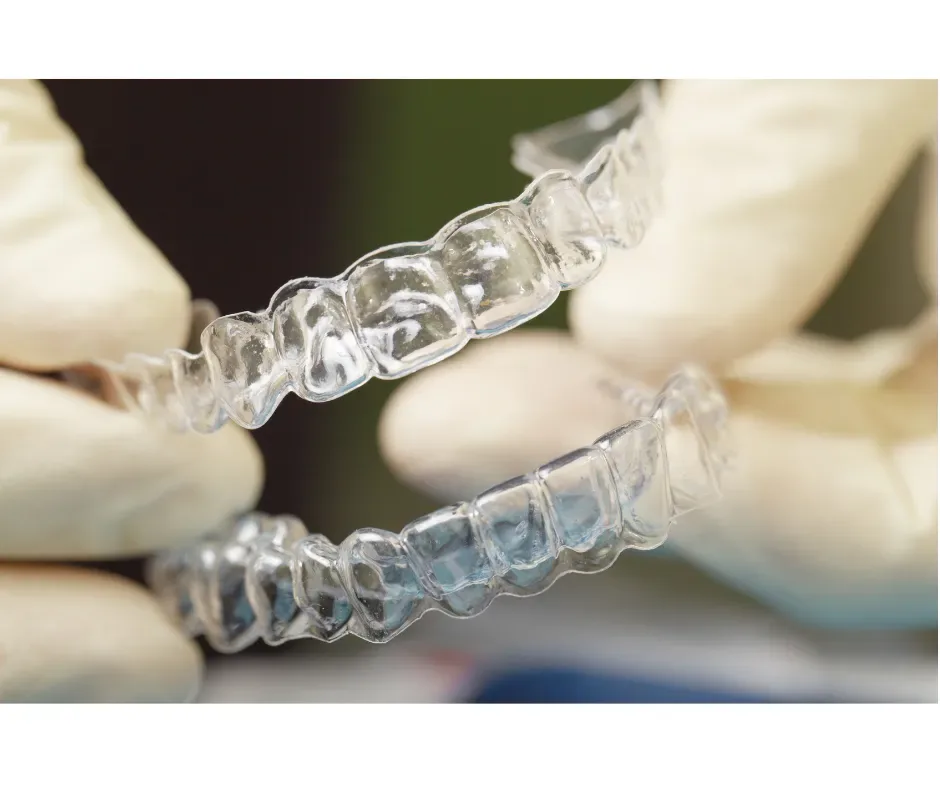
Sports Dentistry
Custom protection for athletes and active children
Protecting Your Smile During Sports and Recreation
Athletic activities and sports are excellent for children and adults, building strength, confidence, and healthy habits. However, sports also carry a risk of dental injuries. Thousands of people lose teeth to sports-related injuries every year, and many more experience broken teeth, jaw injuries, and soft tissue damage. A custom-fitted athletic mouthguard is one of the most important pieces of protective equipment an athlete can wear. At Lincoln Smiles Dental, Dr. Sepideh Rahmani provides custom-fitted mouthguards that protect your teeth while allowing you to breathe, speak, and perform comfortably.
The Importance of Mouthguards in Sports
Sports injuries to the mouth and teeth are more common than many people realize. Studies show that athletes without mouthguards are up to sixty times more likely to experience dental injuries compared to those wearing protective mouthguards. The risk is particularly high in contact sports like football, hockey, boxing, lacrosse, and basketball, but dental injuries can occur in any sport where there's a risk of impact to the face or mouth.
A dental injury can have serious, lasting consequences. A knocked-out tooth can sometimes be replanted if handled correctly and treated promptly, but there's no guarantee it will survive long-term. A broken tooth may require a crown or root canal treatment. Trauma to the jaw can cause fractures or jaw joint problems. Cuts to the lips, tongue, or cheeks can result in scarring or permanent damage. Beyond the immediate injury, dental trauma can result in significant expense for restorative treatment.
A properly fitted mouthguard absorbs and distributes the force of impact, protecting your teeth, jaw, and soft tissues. Studies show that athletes who wear mouthguards suffer fewer dental injuries overall and when injuries do occur, they're typically less severe. A mouthguard is essential protective equipment for any athlete, at any level of play.
Types of Mouthguards
There are three basic types of mouthguards available. Stock mouthguards are pre-made in standard sizes and come ready to use. They're inexpensive and available at sporting goods stores. However, stock guards fit poorly for most people. They're bulky, don't stay in place well, and can interfere with breathing and speaking. The loose fit means they don't protect as effectively as a better-fitting guard. For someone who wants basic protection, a stock guard is better than nothing, but it's not ideal.
Boil-and-bite mouthguards are thermoplastic guards that you soften in hot water and then mold to your teeth by biting into them. They fit better than stock guards because they're customized to your teeth, though the customization is limited to what you can achieve by biting. Boil-and-bite guards are more affordable than custom guards and offer reasonable protection for many athletes. However, they may not fit as precisely as a truly custom-made guard, and the fit can degrade over time as the material ages and loses its shape.
Custom mouthguards are fabricated specifically for your mouth based on impressions of your teeth and jaw. These guards are made from high-quality materials in a professional dental laboratory. A custom guard fits precisely, stays securely in place, provides maximum protection, and is comfortable enough to wear consistently. While custom guards are more expensive than stock or boil-and-bite options, they provide the best protection and durability. For serious athletes or anyone wanting maximum protection, a custom mouthguard is the best choice.
Getting Your Custom Athletic Mouthguard
The process of creating a custom mouthguard begins with a consultation with Dr. Rahmani. She'll discuss your sport or activity and the type of impact risks you face. She'll examine your teeth and bite to ensure they're healthy. If you have any cavities or other dental problems, we may recommend treatment before creating your mouthguard.
We take detailed impressions of your upper and lower teeth using impression material. These impressions capture the exact contours of your teeth and jaw, allowing the laboratory technician to create a guard that fits precisely. Dr. Rahmani may also take bite impressions to record how your upper and lower teeth come together.
The impressions are sent to a specialized laboratory where your custom mouthguard is fabricated. The technician uses high-quality flexible material, typically a laminated acrylic-polyurethane, that provides excellent protection while remaining comfortable to wear. The guard is constructed to your specific specifications, with coverage that protects your teeth and some of your upper and lower gums.
Once your mouthguard is ready, you'll return to our office for a fitting appointment. Dr. Rahmani will check the fit and make any necessary adjustments. She'll show you how to insert and remove the guard, how to care for it, and how to clean it. She'll discuss with you the importance of wearing it consistently during all practices and games. A mouthguard only protects you when you wear it, so consistency is key.
Caring for Your Athletic Mouthguard
Proper care extends the life of your mouthguard and keeps it hygienic and functional. After each use, rinse your mouthguard thoroughly with cool water. You can also clean it with a soft toothbrush and toothpaste, using gentle scrubbing motions. Do not use hot water, which can warp the flexible material. Allow it to air dry completely before storing it.
Store your mouthguard in a ventilated case designed for mouthguards when not in use. A ventilated case allows air circulation and helps prevent bacterial growth. Never store your guard in a plastic bag, which traps moisture and can promote bacterial growth. Keep it away from heat sources and direct sunlight, which can warp the material. Some athletes soak their mouthguards overnight in denture cleaner or a specialized mouthguard cleaning solution to keep them fresh and hygienic.
Inspect your mouthguard periodically for cracks, tears, or other damage. If you notice damage, contact us for repair or replacement. Do not try to repair it yourself. If your mouthguard no longer fits properly due to growth or changes in your bite, let us know. We can remake it to ensure proper protection. Most athletic mouthguards last one to two seasons before needing replacement, depending on how frequently they're used and how well they're cared for.
Never leave your mouthguard in your athletic bag where it can be exposed to heat, or in a car where heat can damage it. Keep it separate from other equipment and store it properly. Taking good care of your mouthguard ensures it will protect you effectively for as long as possible.
What to Do if a Dental Injury Occurs
Despite taking precautions, dental injuries can still occur. If you suffer a sports-related dental injury, the immediate response is critical. If you've knocked out a tooth, find it immediately and rinse it gently with water without scrubbing the roots. Try to reinsert it into the socket by holding it in place with your fingers or by gently biting down on it. If you can't reinsert it, place it in a container of milk or saliva to keep it moist. Do not let it dry out.
If you've broken a tooth, rinse your mouth with warm water and locate the broken piece if possible. Apply ice to the outside of your face to reduce swelling and numb the area. Contact us immediately for emergency treatment. If you've injured your jaw or your soft tissues are bleeding heavily, stop the bleeding by applying pressure with clean cloth and seek immediate care.
Call us immediately for any serious dental injury. Dr. Rahmani prioritizes emergency treatment for sports injuries. The faster you receive professional care, the better the chances of saving a tooth or minimizing the consequences of the injury. Having a mouthguard in place prevents most of these emergencies from happening in the first place, but if an injury does occur, seek help immediately.
Sports That Require Mouthguards
Any sport where there's a risk of impact to the face or mouth warrants a mouthguard. Contact sports like football, hockey, rugby, and boxing obviously benefit from mouthguards. However, dental injuries can occur in non-contact sports as well. Basketball players frequently suffer dental injuries from elbows or collisions. Baseball and softball players can be injured by the ball. Skateboarding, skiing, and snowboarding injuries often involve the mouth. Gymnastics and martial arts pose significant risks as well.
Many school sports programs require mouthguards for certain sports. Even if your sport doesn't require a mouthguard, it's worth discussing with Dr. Rahmani whether you're at risk for dental injury. If there's any chance of impact to your face or mouth, a protective mouthguard is a smart investment in your oral health.
Why Choose Lincoln Smiles Dental for Your Athletic Mouthguard
Dr. Sepideh Rahmani creates custom mouthguards that provide excellent protection while remaining comfortable enough for athletes to wear consistently. She works with high-quality materials and experienced laboratories to ensure your mouthguard is durable and effective. She takes care to ensure proper fit and provides adjustments as needed.
Most importantly, we understand the importance of protecting your smile during your athletic pursuits. Whether you're a young student athlete just starting out or a serious competitive athlete, we can create a mouthguard that protects you while allowing you to perform at your best. Call us today to schedule a consultation for your custom athletic mouthguard.
Related Services
Protect Your Smile With a Custom Mouthguard
Don't let a sports injury damage your teeth. Get a custom-fitted athletic mouthguard from Dr. Rahmani. Contact us today to schedule an appointment.