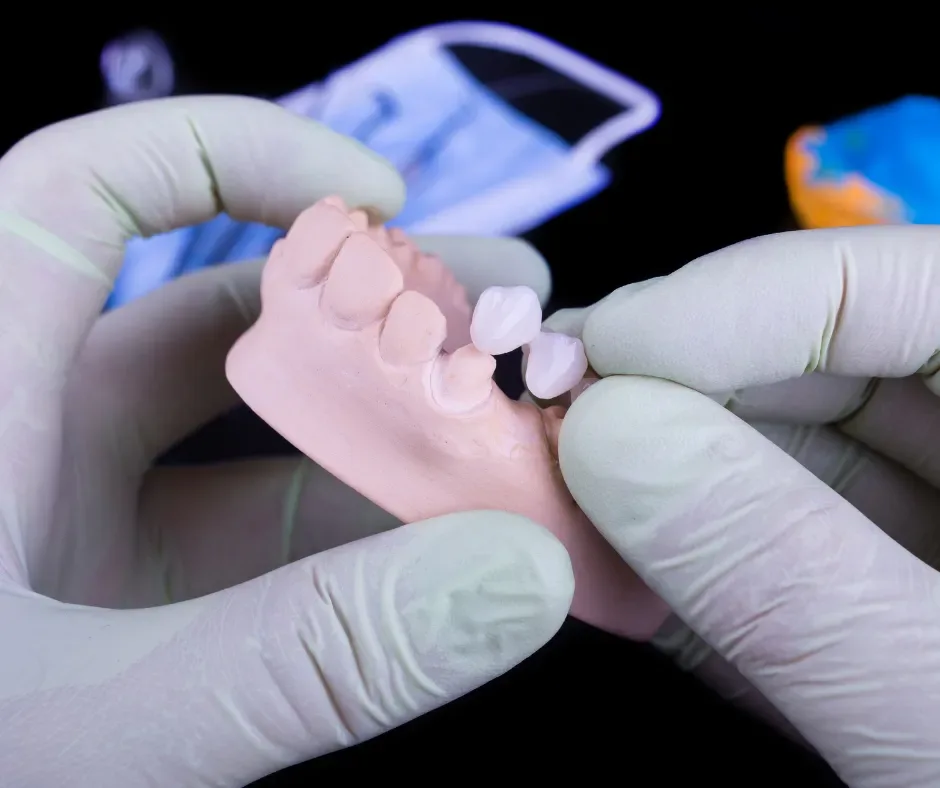
Dental Crowns and Bridges
Restore damaged teeth and replace missing teeth with durable, natural-looking restorations
Restore Your Smile with Crowns and Bridges
Damaged and missing teeth affect far more than just your appearance. They impact your ability to eat and speak, can cause bite problems and jaw pain, and may contribute to additional tooth loss over time. Dental crowns and bridges are effective, time-tested restorations that restore the function and beauty of your smile. At Lincoln Smiles Dental, we use high-quality materials and the latest technology, including CEREC same-day crowns, to create restorations that look natural and last for many years.
What Are Dental Crowns?
A dental crown is a tooth-shaped restoration that covers the entire visible portion of a tooth. We place a crown over a damaged, decayed, or weakened tooth to restore its shape, size, function, and appearance. A crown essentially becomes the new outer surface of your tooth. The underlying tooth structure (the root) remains in place and supports the crown. Crowns are one of the most common and successful restorative treatments in dentistry.
Crowns are made from various materials including porcelain, ceramic, porcelain fused to metal, or all-metal. For visible front teeth, we typically use tooth-colored porcelain or ceramic materials that match the appearance of your natural teeth perfectly. For back teeth, we might use gold or other metals, which are extremely durable, though many patients prefer tooth-colored options for esthetic reasons. Modern restorative materials are strong enough that back teeth can be successfully restored with all-ceramic or porcelain crowns.
When Do You Need a Crown?
We recommend crowns for several situations. If a tooth has a large cavity that's too extensive for a filling, a crown protects and restores the tooth. If a tooth has had root canal treatment, the tooth becomes more brittle and is at increased risk for fracture. Crowning a root canal-treated tooth protects it and helps it function normally. If you have a broken or cracked tooth, a crown holds the tooth together and prevents further damage.
Crowns are also placed over dental implants to replace missing teeth. If you have a tooth with extensive wear or erosion, a crown restores its function and appearance. Sometimes a tooth is simply misshapen or discolored, and a crown provides a cosmetic improvement. In all these situations, a crown is an excellent solution that provides both functional and esthetic benefits.
Dr. Sepi will examine your tooth and discuss whether a crown is the best option for your situation. Sometimes a smaller restoration like a filling or bonding might be sufficient, while other cases truly benefit from the protection and restoration that a crown provides. We'll explain the pros and cons of different options so you can make an informed decision.
The Crown Procedure
The traditional crown procedure typically takes two appointments. During the first appointment, we examine the tooth and take X-rays to ensure the tooth is healthy enough to crown. We then prepare the tooth by removing decay or damaged structure and shaping it so a crown can fit over it. This usually requires a local anesthetic, though the tooth's nerve is not removed unless the tooth needs root canal treatment.
After preparing the tooth, we take an impression (or digital scan with modern technology) of the tooth and the surrounding teeth. This impression is sent to a dental laboratory where technicians craft your custom crown. The lab technician shades and shapes the crown to match your natural teeth, ensuring a perfect color match and natural appearance. While the permanent crown is being made, we place a temporary crown to protect the tooth and maintain your bite.
About one to two weeks later, you return for the second appointment. We remove the temporary crown, check the fit and color of your permanent crown, and make any necessary adjustments. Once we're satisfied that the crown fits perfectly and looks natural, we permanently cement it in place. Your tooth is now fully restored and ready to function normally.
CEREC Same-Day Crowns
At Lincoln Smiles Dental, we offer CEREC same-day crowns that can be completed in a single appointment. CEREC stands for Chairside Economical Restoration of Esthetic Ceramics. Using advanced CAD/CAM (computer-aided design and manufacturing) technology, we design and mill your crown in our office while you wait. This eliminates the need for temporary crowns and a second appointment.
The CEREC process begins with us taking a detailed digital scan of your tooth and surrounding teeth. Computer software allows us to design your crown on a digital model of your mouth, ensuring perfect fit and esthetics. Once we've designed the crown and you've approved it, our milling machine creates the crown from a block of high-quality porcelain or ceramic. The entire milling process takes about 10 to 15 minutes.
After milling, we glaze and polish the crown to make it smooth and beautiful. We then try the crown on your tooth to verify the fit, bite, and esthetics. Minor adjustments can be made if needed. Once everything is perfect, we cement the crown permanently in place. The beauty of CEREC is that you get a permanent crown in a single appointment, without temporary crowns, and without waiting for a laboratory. CEREC crowns are made from the highest quality materials and are just as durable as traditionally made crowns.
Dental Bridges
A dental bridge literally bridges the gap created by one or more missing teeth. A bridge consists of two or more crowns placed over the teeth on either side of the gap, with artificial teeth suspended between them to replace the missing teeth. For example, if you're missing a tooth between two healthy teeth, the bridge would include crowns over the two healthy teeth and an artificial tooth in the middle.
Bridges are a good option for replacing missing teeth when the adjacent teeth are healthy and can support the bridge. They're more affordable than dental implants and don't require surgery. A bridge restores your ability to eat and speak normally and prevents your remaining teeth from shifting into the gap left by missing teeth.
The main drawback of bridges compared to implants is that the bridge must be supported by the adjacent teeth, which means those teeth bear extra stress. Over time, this additional stress can cause problems with the supporting teeth. Additionally, bridges don't prevent bone loss under the missing tooth area. Some patients prefer implants for these reasons, while others choose bridges for cost or other considerations. Dr. Sepi will discuss the pros and cons of both options so you can make the best choice for your situation.
Materials and Esthetics
The material used for your crown or bridge significantly affects its appearance, durability, and cost. Porcelain and ceramic crowns offer the most natural appearance, closely mimicking the color, translucency, and light reflection of natural teeth. They're excellent for visible front teeth where esthetics are important. However, because porcelain is brittle, it can occasionally chip if you bite on something very hard.
Porcelain-fused-to-metal crowns combine the esthetic qualities of porcelain with the strength of metal. They're durable and look natural, making them a good choice for teeth that are visible but also need maximum durability. Some patients notice a slight metal line at the gum margin of these crowns as gums recede over time.
All-metal crowns (usually gold or other alloys) are the strongest and most durable option. They last longer than any other crown material and are kind to surrounding teeth. However, they're only suitable for back teeth where the metallic appearance isn't a concern. Many patients choose gold crowns for back molars because of their exceptional durability.
Modern all-ceramic crowns like those created with CEREC technology offer excellent esthetics and durability, making them increasingly popular for both front and back teeth. During your consultation, we'll discuss which material is best for your specific tooth and situation.
Caring for Your Crowns and Bridges
Crowns and bridges require no special care beyond normal dental hygiene. Brush your teeth twice daily and floss once daily, just like you would with natural teeth. Some patients find that flossing around a bridge requires a threader (a small tool that guides floss under the bridge), but this is a minor adjustment to your routine.
Avoid chewing on hard objects like ice, hard candy, or pen caps, as this can chip or crack your crown. If you grind your teeth at night, we might recommend a nightguard to protect your crown from excessive wear. Continue visiting us for regular cleanings and checkups so we can monitor the health of your crown and the tooth underneath. With proper care, crowns typically last 10 to 15 years or longer.
If your crown becomes loose, cracked, or damaged, contact us promptly. We can usually repair or replace the crown quickly. With proper care and regular dental visits, your crown will serve you well for many years.
Cost and Insurance
The cost of a crown varies depending on the material used and the complexity of the case. CEREC same-day crowns are often comparable in price to traditionally made crowns, and some patients prefer them because they avoid the cost of a temporary crown and the inconvenience of a second appointment. During your consultation, we will provide a detailed estimate based on your specific needs.
Many insurance plans cover a portion of crown costs, typically 50%. We'll help you understand your coverage and what your out-of-pocket cost will be. We also offer flexible payment plans and financing options. During your consultation, we'll provide a detailed cost estimate so you know exactly what to expect.
Crown Restoration Results
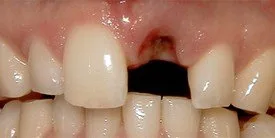
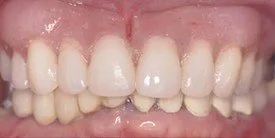
Our CEREC same-day crown technology allows us to design and place beautiful, durable porcelain crowns in a single appointment. These cases demonstrate the precision and natural appearance of our crown restorations.
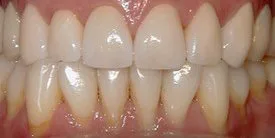
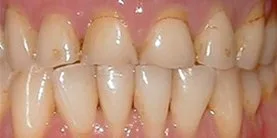
Porcelain Crown Case 1
CEREC same-day restoration
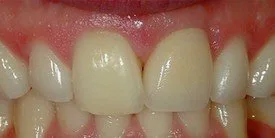
Porcelain Crown Case 2
CEREC same-day restoration
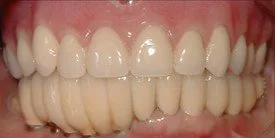
Porcelain Crown Case 3
CEREC same-day restoration
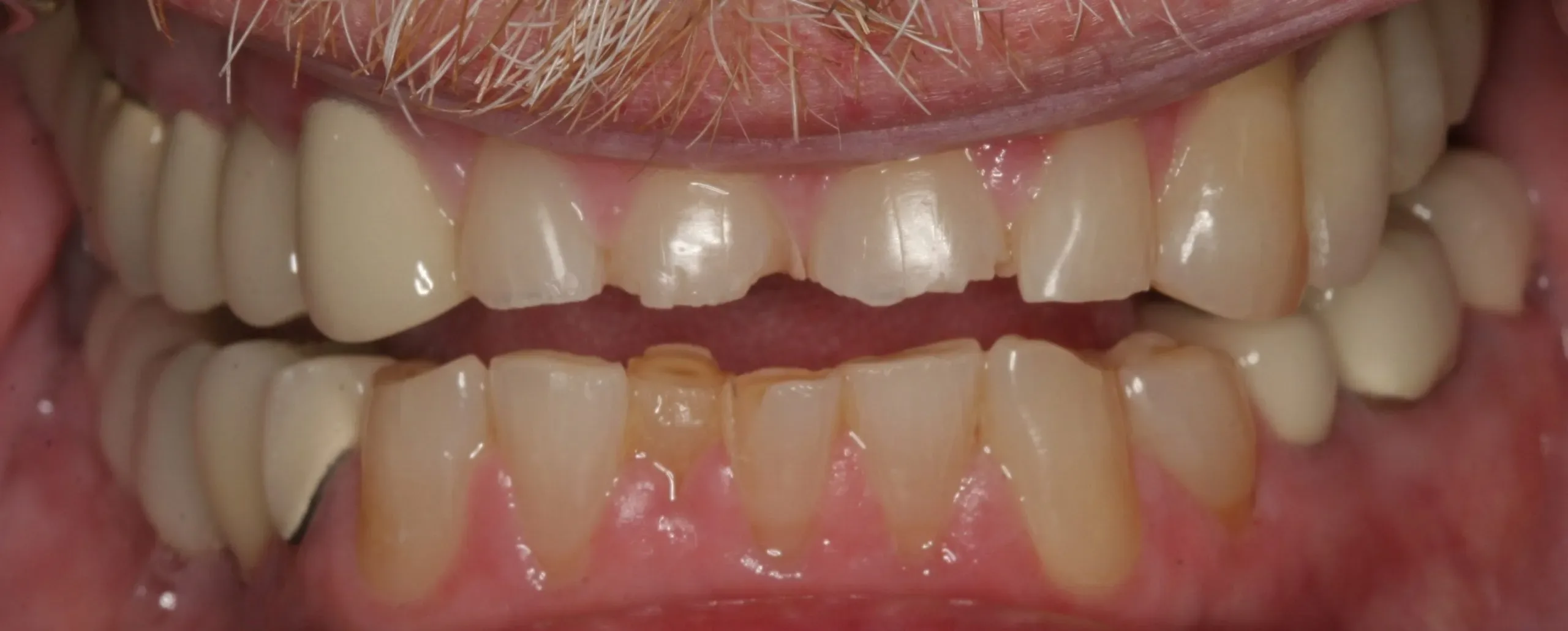
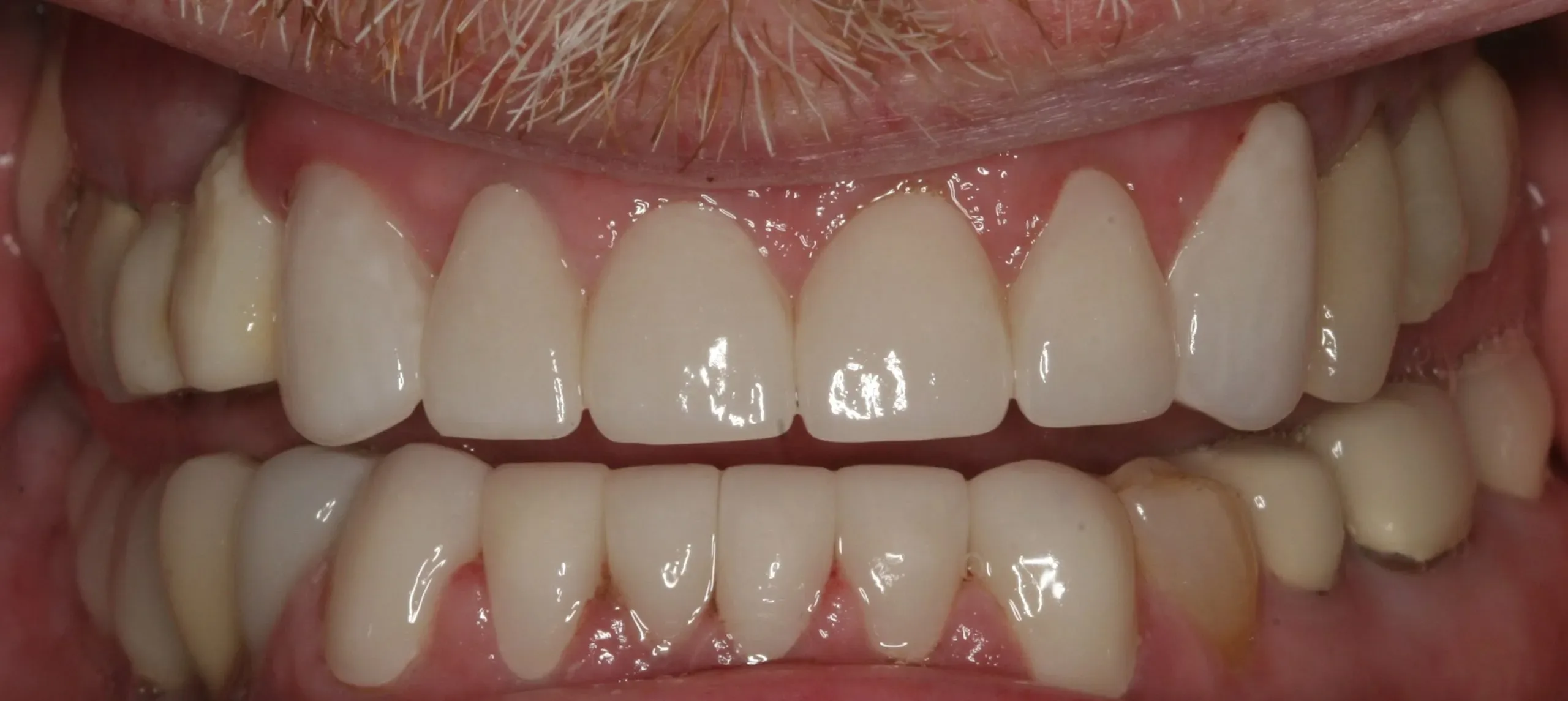
Restorative Smile Rehabilitation
Crowns, bonding, and smile design
Significant dental concerns were addressed through a comprehensive restorative plan combining crowns with bonding and careful smile design for a dramatic improvement.
Related Services
Need a Crown or Bridge?
Let Dr. Sepi evaluate your tooth and discuss the best restoration option. Contact Lincoln Smiles Dental to schedule an appointment.