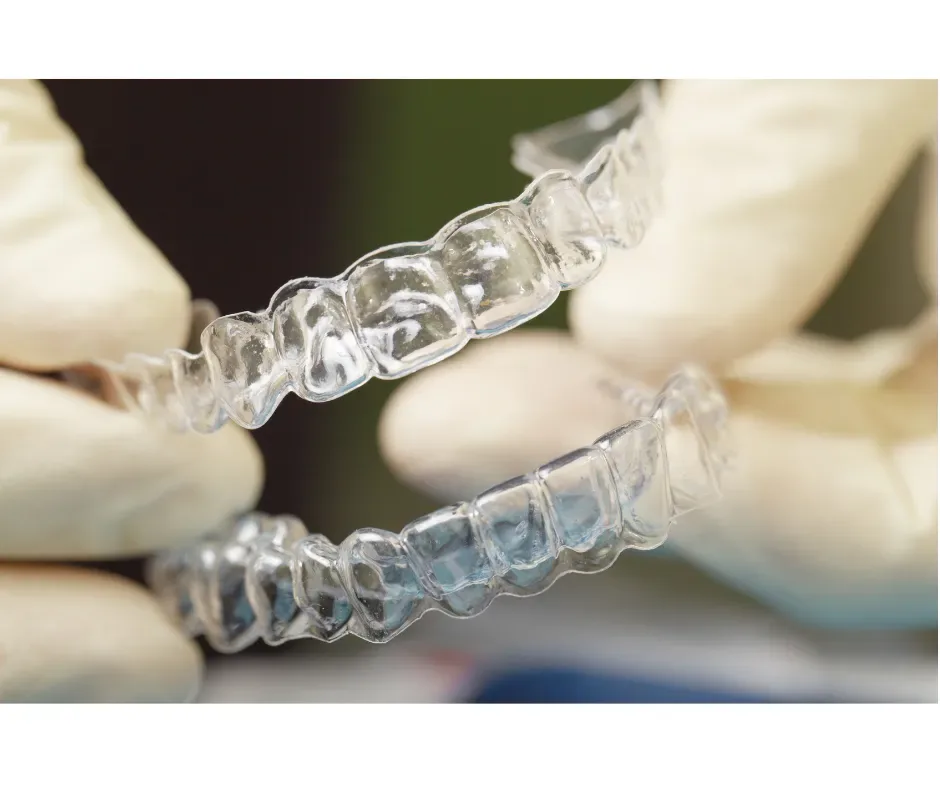
Custom Nightguards
Protect your teeth from the damaging effects of nighttime grinding
Stop Teeth Grinding Before It Causes Serious Damage
Do you wake with jaw pain, headaches, or sore teeth? Do you notice your teeth are becoming worn down or have developed chips and cracks? Do your family members tell you that you grind your teeth at night? If you answered yes to any of these questions, you may have bruxism, the medical term for teeth grinding and clenching. Bruxism is a serious condition that can cause significant damage to your teeth, jaw joints, and overall dental health. At Lincoln Smiles Dental, we can help you protect your smile with a custom-made nightguard designed specifically for your mouth and your grinding habits.
Understanding Bruxism and Teeth Grinding
Bruxism refers to grinding, clenching, or gnashing of the teeth. Sleep bruxism, which occurs during sleep, is different from awake bruxism, which happens while you're conscious. Many people experience both, grinding at night and clenching during the day in response to stress. The cause of bruxism is not completely understood, but research suggests a combination of factors including genetics, stress and anxiety, sleep disorders like sleep apnea, certain medications including some antidepressants, caffeine and alcohol consumption, and misaligned teeth.
The grinding forces during bruxism can be tremendous, up to three times the force of normal chewing. These forces, applied repeatedly through the night, can wear through tooth enamel, cause teeth to fracture, loosen crowns and fillings, and put excessive pressure on the jaw joints. Over time, bruxism can cause significant dental damage requiring expensive treatment. More importantly, it can cause pain, jaw dysfunction, and sleep disruption. Addressing bruxism early can prevent these serious consequences.
Signs and Symptoms of Bruxism
The signs of bruxism vary from person to person. Some people are unaware they grind until a family member mentions hearing the grinding sound at night or until their dentist notices the wear pattern on their teeth. Common signs include waking with jaw soreness, tightness, or pain that gradually improves throughout the day. Many people with bruxism experience morning headaches, particularly in the temples. You might wake with soreness in your face, ears, or neck.
Visible signs include flattened, worn tooth surfaces that have lost their natural contours. Teeth may have chips or fractures, particularly along the biting edges. Existing dental work like fillings and crowns may break or loosen from the grinding forces. Your teeth may appear shorter than they should, a result of wear over many years. You might develop a clicking or popping sensation in your jaw joints, pain when opening wide, or difficulty chewing without pain.
Some people experience increased tooth sensitivity, particularly at the gum line where grinding causes enamel loss. You might have cheek scarring from repeatedly biting your cheek during grinding, or tongue indentations from pressing against your teeth. If you notice any of these signs, schedule an appointment with Dr. Rahmani so we can evaluate your teeth and discuss treatment options.
Custom Nightguards versus Store-Bought Options
You may have seen generic nightguards at drugstores or online. While these options are better than nothing, they have significant limitations. Store-bought guards are made from the same mold for all users, so they rarely fit properly. A poorly fitting guard can be uncomfortable, causing gum irritation or making sleep difficult. They often fall out during the night, leaving your teeth unprotected. Generic guards are typically made from thin material that doesn't provide adequate cushioning or protection against strong grinding forces.
Custom nightguards made by Dr. Rahmani are fabricated specifically for your mouth based on precise impressions of your teeth and jaw. They're made from durable, high-quality materials that provide excellent protection. A properly fitted custom guard is comfortable, stays in place throughout the night, and provides the protection your teeth need. While custom guards cost more than store-bought options, the protection they provide and the dental problems they prevent make them a worthwhile investment in your oral health.
How Custom Nightguards Are Made
The process of creating a custom nightguard begins with a thorough examination and impressions. Dr. Rahmani will examine your teeth and jaw to assess the extent of any grinding damage and to determine the best approach for your specific situation. She'll also discuss your symptoms and how bruxism is affecting your life. This information helps us design a guard that will be effective for your particular grinding pattern.
We then take detailed impressions of your upper and lower teeth using impression material. These impressions capture the exact contours of your teeth and jaw. The impressions are sent to a specialized dental laboratory where technicians fabricate your custom nightguard. The laboratory uses high-quality materials and advanced techniques to create a guard that's perfectly fitted to your mouth.
Once your custom guard is ready, you'll return to our office for a fitting appointment. Dr. Rahmani will check the fit, make any necessary adjustments for comfort, and ensure it provides optimal protection. She'll show you how to insert and remove the guard and will discuss proper care and cleaning. We can also discuss if adjustments are needed to your bite or jaw alignment to reduce the grinding forces.
Throughout the process, we work with you to ensure your guard is comfortable and effective. If you experience any problems or discomfort after you start wearing it, we can make adjustments. Our goal is to give you a nightguard that protects your teeth while being comfortable enough that you'll actually wear it consistently.
Benefits of Wearing a Custom Nightguard
The primary benefit of a nightguard is protecting your teeth from grinding damage. By absorbing the grinding forces, the guard prevents enamel wear, chips, and fractures. It protects existing dental work from damage. Over time, wearing a nightguard can prevent the need for expensive restorative treatment like crowns or root canals. For many people, this alone justifies the investment in a custom guard.
Beyond protecting your teeth, a nightguard often reduces or eliminates the jaw pain, morning headaches, and facial soreness that accompany bruxism. Many people sleep better once they start wearing a guard, as they're no longer waking with pain or discomfort. Reducing grinding can also decrease tension in your jaw muscles and neck, improving your overall comfort and wellbeing.
Protecting your jaw joints is another important benefit. Grinding puts excessive force on the temporomandibular joints, potentially leading to dysfunction and pain. A nightguard helps distribute grinding forces more evenly and reduces the stress on these joints. For people who have already developed jaw joint problems, a nightguard can be part of a comprehensive treatment plan to manage symptoms and prevent further damage.
Caring for Your Nightguard
Proper care will extend the life of your nightguard and keep it hygienic and comfortable. After wearing your guard, rinse it thoroughly with cool water. You can clean it with a soft toothbrush and toothpaste, using gentle scrubbing motions. Avoid hot water, as heat can warp the guard material. Many people find it helpful to soak their guard overnight in water or a denture cleaning solution to keep it fresh and hygienic.
Store your guard in a cool, dry place when not in use. A ventilated case designed for nightguards works well. Keep your guard away from heat sources and direct sunlight. If your guard becomes stained or develops odor despite regular cleaning, we can professionally clean it. Avoid storing it in plastic bags that trap moisture and can promote bacterial growth.
Inspect your guard periodically for cracks, tears, or other damage. If you notice damage or if your guard no longer fits properly due to changes in your teeth or jaw, contact us. We can repair or remake your guard as needed. Most custom guards last several years with proper care before they need replacement.
Additional Treatment Options
While a nightguard is an excellent protective measure, it addresses the symptom rather than the underlying cause of bruxism. If your grinding is stress-related, stress management techniques including meditation, yoga, exercise, and counseling may help reduce grinding. If grinding is related to sleep apnea or other sleep disorders, treating the underlying sleep problem can significantly reduce bruxism.
If your bruxism is related to medication side effects, discussing alternatives with your physician may help. If your teeth are significantly misaligned, orthodontic treatment or bite correction may reduce grinding forces. Dr. Rahmani will discuss these options with you and help determine if any additional treatment beyond the nightguard might benefit your specific situation.
Why Choose Lincoln Smiles Dental for Your Nightguard
Dr. Sepideh Rahmani brings extensive experience in diagnosing and treating bruxism. She understands the various factors that contribute to grinding and can design a nightguard specifically suited to your needs. Her custom guards are made from premium materials and are fabricated with precision to ensure optimal fit and protection.
We're committed to ensuring your guard is comfortable and effective. We make adjustments as needed and monitor your teeth for signs of grinding damage at your regular appointments. If your guard needs repair or replacement, we can accommodate that. Our goal is to protect your beautiful smile and help you achieve the pain-free sleep and oral health you deserve.
Suffering From Teeth Grinding?
A custom nightguard can protect your teeth and eliminate the pain associated with bruxism. Call us today to schedule an appointment and start protecting your smile.