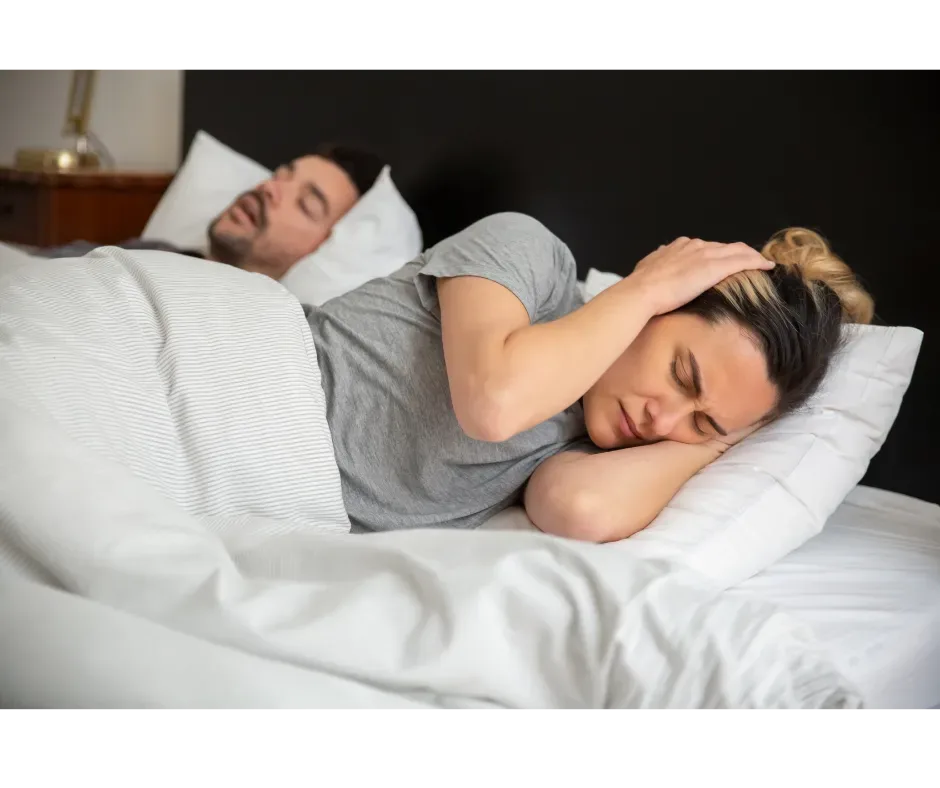
Sleep Dentistry and Snoring
Improve your sleep and your health with custom oral appliances
Addressing Sleep-Related Breathing Disorders
If you snore loudly or wake frequently gasping for air, you may have obstructive sleep apnea, a serious condition that affects your sleep quality and your overall health. Sleep apnea can lead to high blood pressure, heart disease, stroke, and other serious health problems. While CPAP machines are the gold standard treatment for sleep apnea, many people find them uncomfortable and don't use them consistently. At Lincoln Smiles Dental, Dr. Sepideh Rahmani offers an alternative treatment option: custom-fitted oral appliances that position your jaw to keep your airway open while you sleep. These dental devices are less invasive than CPAP and many patients find them much more comfortable and easier to use.
Understanding Sleep Apnea and Snoring
Snoring and sleep apnea are related but different conditions. Snoring is the sound produced when air flows turbulently through a narrowed or partially blocked airway while you sleep. While snoring is often thought of as merely annoying to bed partners, it can actually be a sign of underlying airway problems. Obstructive sleep apnea (OSA) is a serious condition where your breathing actually stops repeatedly during sleep due to airway collapse or obstruction. These breathing interruptions can last several seconds to minutes and occur dozens or even hundreds of times per night.
During an apnea episode, oxygen levels in your blood drop, and your brain triggers a partial arousal to restart breathing. These arousals fragment your sleep, preventing you from reaching the deep, restorative stages of sleep where your body recovers and repairs itself. As a result, people with sleep apnea wake feeling unrefreshed despite spending adequate time in bed. They experience daytime fatigue, difficulty concentrating, morning headaches, and mood changes.
Beyond the immediate sleep disruption, untreated sleep apnea has serious health consequences. The repeated oxygen drops stress your cardiovascular system. Over time, sleep apnea increases risk of high blood pressure, irregular heartbeat, heart attack, stroke, and sudden cardiac death. People with sleep apnea also have higher rates of diabetes, depression, and accidents due to daytime drowsiness. Treating sleep apnea is crucial for your health and longevity.
Signs and Symptoms of Sleep Apnea
Loud snoring is often the first sign that someone may have sleep apnea, though not everyone who snores has apnea, and some people with apnea don't snore loudly. Other signs include gasping or choking sounds during sleep, witnessed pauses in breathing, daytime sleepiness and fatigue despite adequate time in bed, morning headaches, dry mouth or sore throat upon waking, and difficulty concentrating or mood changes.
Some people experience multiple awakenings during the night, though they may not remember them. You may lie awake at night feeling your breathing is labored. Many people with sleep apnea have a partner who notices them gasping or choking during sleep, or who complains about their snoring. If any of these symptoms apply to you, discuss them with your physician or contact us to arrange a sleep evaluation.
Sleep apnea is more common in men than women, more common as people age, more common in people who are overweight, and more common in people who have high blood pressure or other cardiovascular conditions. However, sleep apnea can affect people of any age, weight, or health status, so it's important to be evaluated if you have symptoms.
How Oral Appliances Work
Obstructive sleep apnea occurs because the muscles supporting your airway relax excessively during sleep, allowing the airway to collapse. A custom oral appliance is a dental device that works by holding your lower jaw slightly forward, which keeps your airway open during sleep. By maintaining airway patency, the device prevents the breathing interruptions that characterize sleep apnea.
Oral appliances are also called mandibular advancement devices (MADs) because they advance the mandible (lower jaw). The device works like an athletic mouthguard but has special features that gradually move your lower jaw forward. The forward positioning of the jaw pulls the tongue and soft palate forward as well, opening the airway. Most people find that oral appliances effectively stop apnea episodes and restore normal breathing during sleep.
The advantage of oral appliances over CPAP is that they're less obtrusive and easier to travel with. They don't require a machine or air tubing. They don't make noise. They don't require a mask over your face. Many patients find them much more comfortable and wearable long-term compared to CPAP.
Getting Your Custom Oral Appliance
The first step in getting an oral appliance is to be evaluated by your physician for sleep apnea. Your doctor will likely order a sleep study to confirm the diagnosis and determine the severity of your condition. Some sleep studies are done in a sleep lab, while others can be done at home with portable monitoring equipment. The sleep study results will help determine whether an oral appliance is appropriate for your specific condition.
Once you have a diagnosis of sleep apnea and your physician has approved oral appliance therapy, you can come see Dr. Rahmani. She'll examine your teeth and bite to ensure they're healthy and to assess your suitability for an oral appliance. Some people with significant bite problems or very limited opening may not be good candidates, though most people can benefit from an appliance.
We take detailed impressions and bite records of your teeth and jaw. These are sent to a specialized laboratory that fabricates your custom oral appliance. The appliance is designed specifically for your mouth to ensure proper fit and comfort. Once your appliance is ready, you'll return for a fitting appointment. Dr. Rahmani will adjust the appliance as needed and show you how to insert and remove it and how to care for it.
You'll also receive specific instructions on how much to advance the device initially and how to gradually advance it further over weeks to find the position that effectively controls your sleep apnea while remaining comfortable. You'll likely need a follow-up sleep study after starting the appliance to confirm that it's effectively treating your sleep apnea.
Benefits of Oral Appliance Therapy
The primary benefit of oral appliance therapy is the restoration of normal breathing during sleep. By keeping your airway open, the appliance eliminates the breathing interruptions and oxygen drops that characterize sleep apnea. This allows you to progress through all stages of sleep and wake feeling refreshed rather than exhausted.
Many people notice significant improvements in daytime symptoms within just a few nights of using their appliance. You may have more energy and alertness during the day. Your morning headaches may disappear. Your mood and ability to concentrate typically improve. Your bed partner will likely appreciate the reduction in your snoring.
Beyond the immediate symptom relief, treating sleep apnea reduces your risk of serious health complications. By restoring normal oxygen levels and reducing cardiovascular stress, oral appliance therapy lowers your risk of heart attack, stroke, high blood pressure, and other serious conditions. Many people find that treating sleep apnea is one of the best health investments they've made, improving not just their sleep quality but their overall health and longevity.
Compared to CPAP, oral appliances offer the advantage of being small, portable, and non-intrusive. Many people find them much easier to use consistently. Travel with an appliance is simple compared to traveling with CPAP equipment. For these reasons, many patients achieve better compliance with oral appliance therapy than they do with CPAP.
Caring for Your Oral Appliance
Proper care keeps your appliance functional and hygienic. After each use, rinse it with cool water. Each morning, clean it with a soft toothbrush and toothpaste or denture cleaner. Do not use hot water, which can warp the materials. Some people soak their appliance overnight in denture cleaner solution. Always dry it completely before storing.
Store your appliance in a protective case away from heat and direct sunlight. Never leave it in a hot car or expose it to extreme temperatures. Periodically inspect it for cracks, wear, or other damage. If you notice any problems, contact us for repair or replacement. Your appliance should be comfortable; if it becomes uncomfortable, worn, or less effective over time, we can adjust it or have it remade.
Continue regular dental visits so we can monitor your teeth and bite. Using an appliance can slightly affect your bite over time if used for many years, though the effect is usually minimal. We watch for any changes and make adjustments as needed to ensure your long-term dental health.
Oral Appliances versus CPAP
CPAP (continuous positive airway pressure) machines remain the most researched and most prescribed treatment for sleep apnea. CPAP is highly effective, and many people achieve excellent results with CPAP therapy. However, compliance with CPAP is often a challenge. The mask can be uncomfortable, claustrophobic, or irritating to the face. The machine is noisy. The air pressure can feel strange. Many people find CPAP uncomfortable to wear night after night and have difficulty maintaining consistent use.
Oral appliances are an effective alternative, particularly for people with mild to moderate sleep apnea. For mild apnea, oral appliances often work as well as CPAP. For moderate apnea, they're usually quite effective. For severe apnea, CPAP may still be the better choice, though oral appliances can be helpful. The best treatment is the one you'll actually use consistently, so if you find an oral appliance more tolerable than CPAP, it may be the better option for you.
Some people use an appliance in combination with CPAP, or may transition from one treatment to another over time. Your physician and Dr. Rahmani can help you determine which treatment approach is best for your specific situation and preferences.
Why Choose Lincoln Smiles Dental for Sleep Apnea Treatment
Dr. Sepideh Rahmani brings experience in creating and fitting oral appliances for sleep apnea. She works closely with sleep physicians to ensure your appliance is appropriate for your condition. She carefully fits your appliance to maximize comfort while effectively treating your sleep apnea. She provides adjustments and follow-up care as needed.
Most importantly, we understand that sleep apnea is a serious health condition that requires effective treatment. We're committed to helping you achieve better sleep and better health. If you think you may have sleep apnea, or if CPAP hasn't worked well for you, contact us to discuss oral appliance therapy as a treatment option.
Related Services
Struggling With Sleep Apnea?
Explore oral appliance therapy as an alternative to CPAP. Dr. Rahmani can help you achieve better sleep and better health.