Dental Fillings
Restore teeth with natural-looking, mercury-free composite fillings
Cavity Treatment with Natural Results
Cavities are one of the most common dental problems, affecting millions of people of all ages. When decay develops in a tooth, timely treatment prevents the problem from worsening and causing more damage. At Lincoln Smiles Dental, we treat cavities with tooth-colored composite fillings that restore the tooth's function, strength, and appearance. Our fillings are mercury-free and look completely natural, blending seamlessly with your surrounding teeth.
What Are Cavities and How Do They Form?
A cavity is a hole in your tooth caused by decay. Decay develops when bacteria in your mouth feed on sugars and starches, producing acids that attack your tooth enamel. If you don't remove plaque regularly through brushing and flossing, it hardens into tartar. Tartar provides a home for bacteria and makes plaque harder to remove. Over time, the bacterial acids eat through the enamel and into the underlying dentin, creating a cavity.
Cavities are painless in early stages because the decay hasn't reached the nerve of the tooth yet. By the time you notice pain, the decay is often advanced. This is why regular dental exams are so important. Dr. Sepi can detect cavities in early stages when they're easiest and least expensive to treat. Early treatment with a simple filling prevents the decay from progressing to the point where you need a root canal or extraction.
Cavity risk depends on several factors including your diet (sugary and acidic foods increase risk), your oral hygiene (poor brushing and flossing allow plaque to accumulate), your saliva flow (saliva helps protect your teeth), and your overall health. Some people are more cavity-prone than others, but everyone can reduce their risk through proper home care and regular professional cleanings.
Composite Fillings vs. Amalgam Fillings
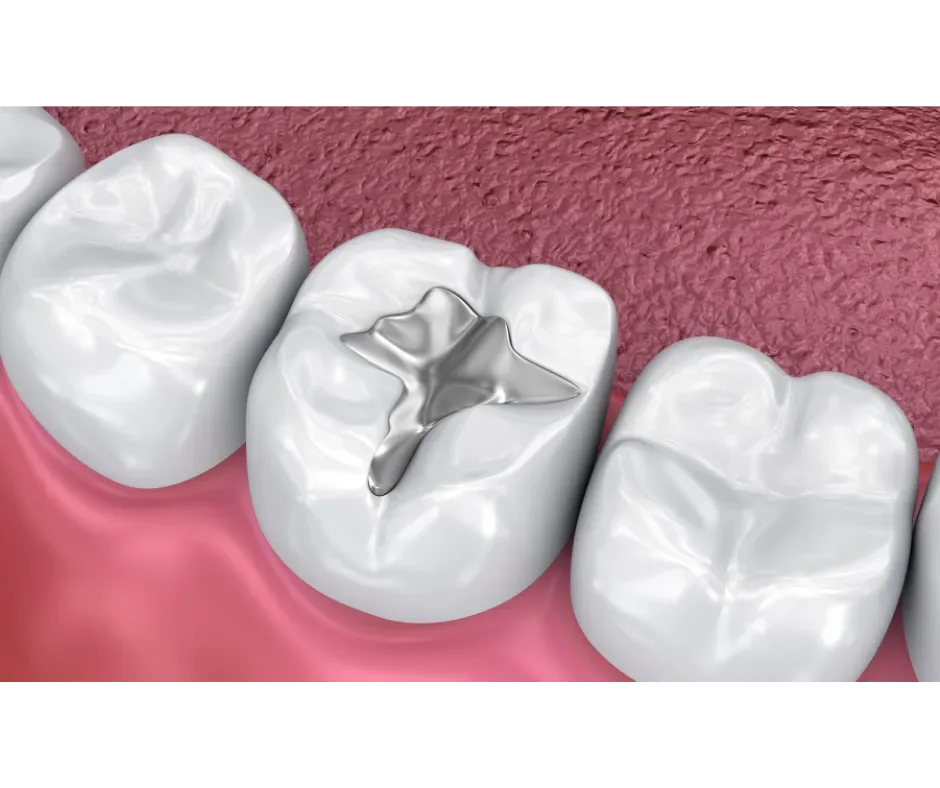
Historically, dentists filled cavities with amalgam, a mixture of mercury and other metals. While amalgam is durable, it has several drawbacks. Amalgam is silver-gray, making it obvious when you open your mouth. Placing amalgam requires removing more healthy tooth structure than composite fillings. Amalgam can expand and contract with temperature changes, sometimes causing damage to the tooth. Some patients have concerns about mercury exposure from amalgam fillings.
Composite fillings address all these concerns. They're made from tooth-colored resin that matches your natural teeth perfectly. They're bonded directly to your tooth, allowing us to preserve more healthy tooth structure. Composite doesn't expand and contract significantly with temperature changes. They contain no mercury and no controversial materials. Composite fillings are the material of choice for modern restorative dentistry.
Composite fillings do require more careful placement than amalgam and have a slightly shorter lifespan (10 to 15 years vs. 15 to 20 years for amalgam). However, the superior esthetics, biocompatibility, and ability to preserve tooth structure make composite the better choice for most patients. If you have old amalgam fillings, we can discuss replacing them with composite for improved appearance and tooth preservation.
The Filling Procedure
The filling procedure is straightforward and painless. We begin by numbing the area with local anesthetic, so you won't feel pain during treatment. If you have significant anxiety, we can discuss sedation options. Once the area is numb, we remove the decay from your tooth using specialized instruments. We remove only the decayed portion of the tooth, preserving as much healthy structure as possible.
After removing decay, we clean the area thoroughly and apply a bonding agent that helps the composite filling adhere to your tooth. We then place the composite material in layers, carefully shaping it to match your tooth's natural contours. A special light hardens each layer as we go. Once we've built up the entire filling, we carefully trim and polish it until it matches your natural bite and looks completely natural.
The entire process typically takes 20 to 40 minutes depending on the size of the cavity. You'll leave with your tooth completely restored to function and appearance. The filling typically lasts 10 to 15 years with proper care before potentially needing replacement.
Caring for Your Fillings
Once your filling is placed, care for it like you would a natural tooth. Brush twice daily, floss daily, and maintain regular dental visits. Avoid chewing on hard objects like ice or hard candy as this can damage your filling. Some sensitivity to temperature may occur immediately after a filling is placed, but this usually resolves within a few days as the tooth stabilizes.
With proper care, your filling should last many years. If your filling breaks, chips, or becomes loose, contact us promptly. We can usually repair or replace the filling quickly. Maintain good oral hygiene and regular dental visits to prevent future decay and ensure your fillings remain healthy.
Cavity Prevention
The best treatment for cavities is prevention. Prevent decay by brushing your teeth twice daily with fluoride toothpaste, flossing daily, and limiting sugary and acidic foods and beverages. Drink water instead of sugary sodas. If you do consume sugary foods, brush your teeth shortly afterward to remove sugars before bacteria can metabolize them and produce cavity-causing acids.
Visit us regularly for professional cleanings and exams so we can detect cavities early. Fluoride treatments and dental sealants provide additional protection against decay. If you're particularly cavity-prone, discuss this with Dr. Sepi so we can develop a prevention strategy tailored to your risk factors.
Prevention is much easier and less expensive than treatment. By maintaining excellent oral hygiene and visiting us regularly, you can prevent most cavities and enjoy a healthy, natural smile for life.
Need a Filling?
If you have a cavity or suspect decay, don't wait. Early treatment is easier and more affordable. Contact us today for an appointment.